Industry News
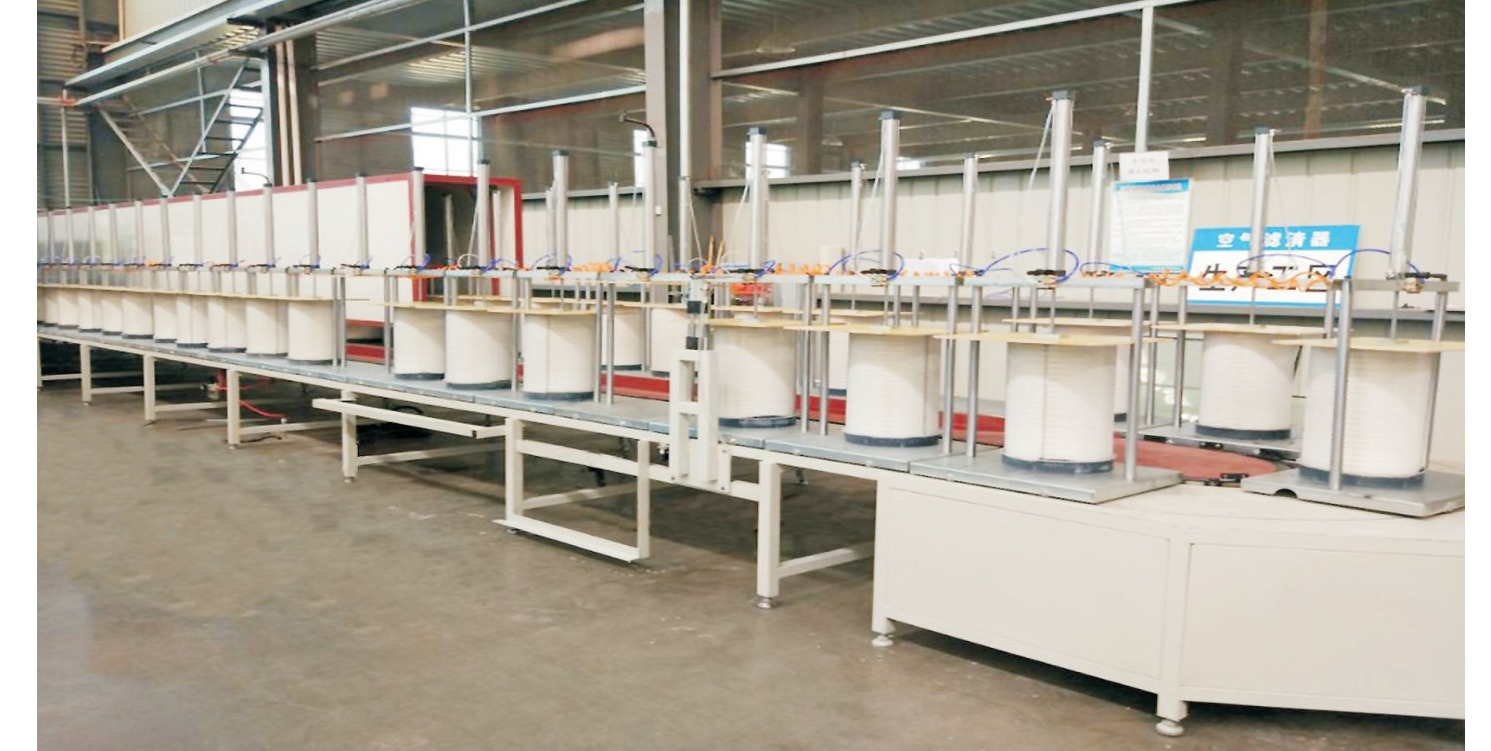
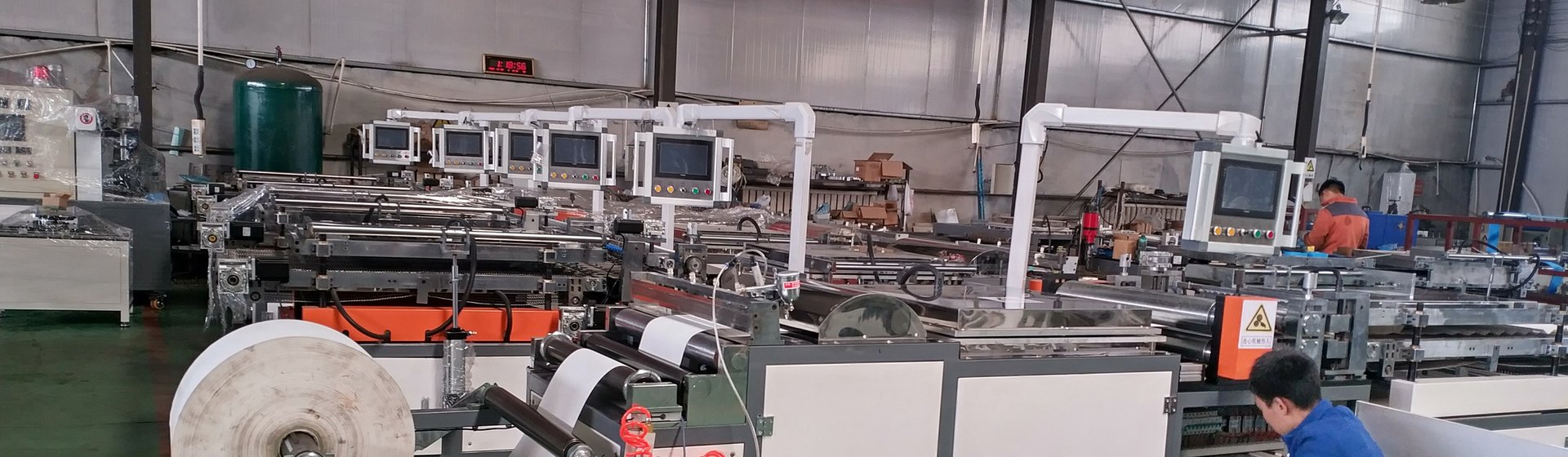
Many operators planning to build new or expand existing filter manufacturing plants tend to fall into misconceptions during the equipment procurement stage, blindly pursuing high production capacity while neglecting product adaptability, resulting in idle equipment and wasted capacity. Filter equipment selection requires comprehensive consideration of one's own product positioning, product category range, budget, and long-term development plans.
First, clarify the product direction. The equipment combinations required for producing automotive oil filters, fuel filters, industrial dust collection filter cartridges, and hydraulic filter elements differ significantly. If focusing on small automotive filters, configure pleating machines, gluing machines, press-fitting machines, and airtightness testing stations; for producing high-flow industrial filter cartridges, select wide-width pleating equipment, winding and welding equipment, and pressure resistance testing devices.
Secondly, distinguish between standalone equipment and complete line solutions. For small-batch, multi-specification orders, purchasing standalone equipment combinations is more suitable, with lower investment costs and flexible changeovers; for standardized large-scale production, prioritize automated production lines to reduce labor and improve consistency. The higher the automation level of equipment, the higher the requirements for operator skills and maintenance. When purchasing, it's necessary to assess the manufacturer's after-sales service, spare parts supply, and technical training capabilities.
The core of equipment lies in processing precision and stability, focusing on the quality of servo systems, sealing components, and detection sensors. Insufficient processing precision in filter media will directly affect filter element performance. Low-quality equipment may have lower short-term prices, but high failure rates and high subsequent maintenance costs. At the same time, equipment compatibility should be considered, with reserved upgrade space, so that when new product models are added later, compatibility can be achieved by replacing molds and upgrading programs.
Filter equipment is a medium to long-term fixed asset investment, and selection cannot be based solely on comparing purchase prices. Comprehensive evaluation of capacity, precision, flexibility, and after-sales service, matched with your own product track, can maximize equipment value, stably produce qualified filter products, reduce long-term production costs, and enhance enterprise market competitiveness.