Industry News
As a core consumable component for automobiles, construction machinery, and industrial hydraulic systems, the quality of filters directly affects the operational stability of main equipment, and filter production equipment is the fundamental basis for determining filter element quality. With the upgrading of manufacturing industry, the traditional single-machine manual production mode is gradually being replaced by automated filter production lines, driving the industry's transformation from labor-intensive to digital manufacturing.
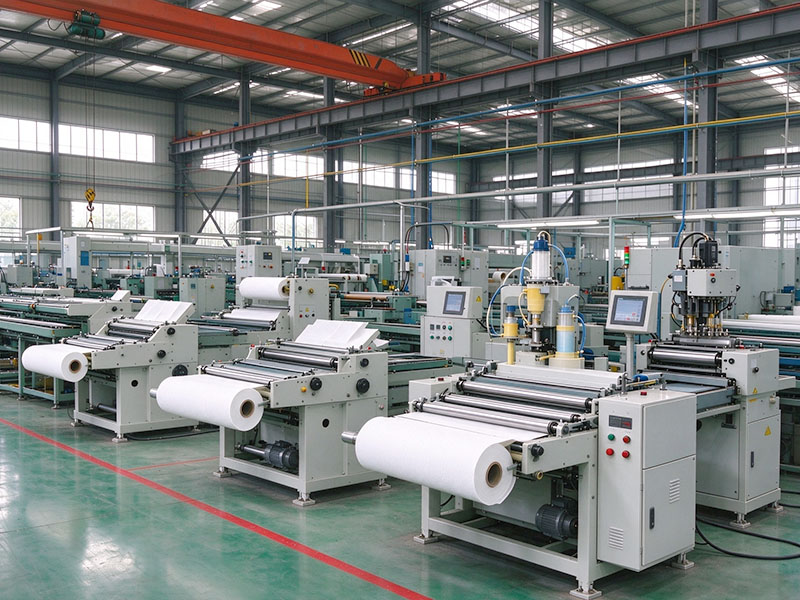
A complete automated production line for filter elements includes pleating machines, cutting equipment, glue dispensing machines, end cap pressing machines, sealing detection stations, and finished product packaging equipment. The filter paper pleating machine is the core unit, capable of folding filter media into uniform pleated structures to maximize filtration area within limited space. Pleat height and quantity can be adjusted through PLC programs to accommodate different production requirements for oil filters, air filters, fuel filters, and other categories. Subsequent cutting, gluing, and pressing processes operate in coordination, reducing dimensional deviations and sealing defects caused by manual intervention.
The production line is equipped with airtightness testing equipment to perform leak detection on each finished product, eliminating quality hazards such as poor adhesive sealing and welding gaps, and reducing the flow of defective products into the market from the source. Automated equipment not only improves production efficiency, with daily output far exceeding traditional single-machine mode, but also stabilizes product consistency and reduces raw material waste.
With the current strong demand in the construction machinery and commercial vehicle markets, filter manufacturers continue to have growing demand for flexible production equipment. The new generation of filter equipment supports rapid mold changing, can switch between multi-specification filter element production, and adapts to the market characteristics of small batch and multiple orders. Upgrading automated filter production equipment is a key path for filtration enterprises to enhance market competitiveness and create high-quality filter products.